Belenus / Bilé
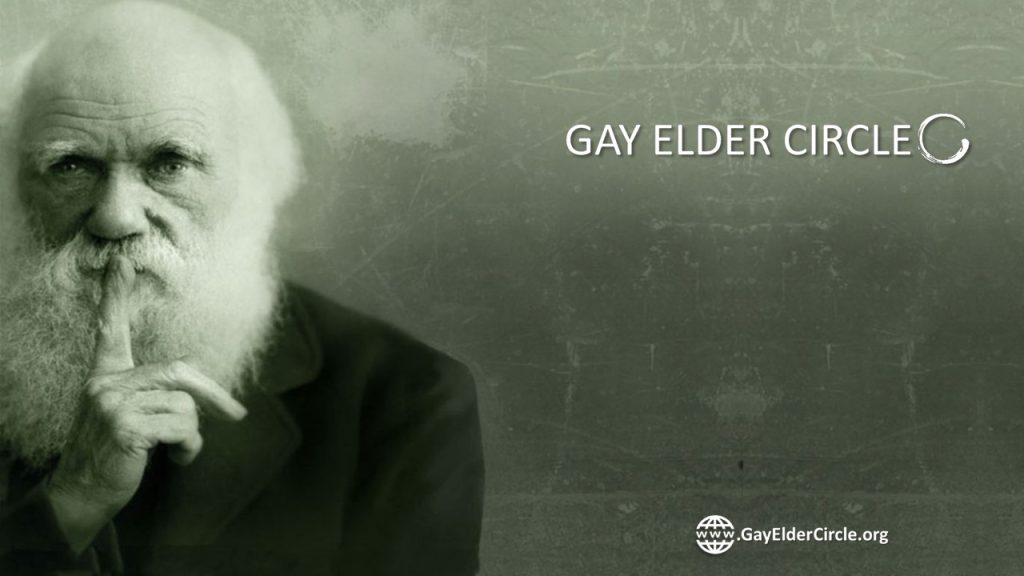
There is a certain quiet authority that gathers in a man who has lived long—not loud, not demanding, but rooted. Like an old tree whose branches have bent with wind and season, yet still offer shade, still house life, still stand. In the spirit of Older Americans Month, it is worth pausing to consider the elder man not merely as one who has aged, but as one who has distilled.
For what is masculinity, when stripped of its noise and posturing, if not a steadying force? In youth, it may roar—seeking conquest, identity, proof. But in age, it deepens. It listens. It remembers. It becomes a vessel of continuity, carrying stories not written in books, but etched in lived days: in calloused hands, in long silences, in the knowing glance that needs no explanation.
The elder man, like the tribal leader of old, does not lead by dominance but by presence. He becomes a compass rather than a commander. His value is not in how much ground he can cover, but in how firmly he stands when others falter. He knows the seasons—not just of the earth, but of the soul. He recognizes grief without fearing it, joy without clinging to it. He has buried friends, perhaps even parts of himself, and yet remains open to the morning.
There is something deeply communal in this form of masculine energy. It gathers people, not through force, but through gravity. Younger generations orbit it, sometimes unknowingly, drawn to its steadiness. A community with such men is less brittle. It bends, it adapts, it endures. For these men carry memory—of mistakes survived, of wisdom earned slowly, of paths that need not be walked again.
And yet, we must humanize him beyond the archetype. He is not only sage, but also man—still becoming, still uncertain at times, still capable of tenderness that surprises even himself. His strength is no longer in resisting vulnerability, but in allowing it. In speaking gently. In admitting what he does not know. In offering guidance without insisting upon it.
In honoring older men, we honor a form of masculinity that is often overlooked in a culture enamored with speed and spectacle. We honor patience. We honor reflection. We honor the kind of leadership that does not seek the spotlight but instead tends the fire so others may gather around it.
Let us then sit with these men. Listen more closely. Ask the questions that matter. Not because they hold all the answers, but because they have learned which questions are worth carrying.
For a community that remembers its elders—its quiet leaders, its grounded men—is a community that remembers itself.