The Architecture of Stewardship: Safety Nets, Mentorship, and the Duty of Leadership
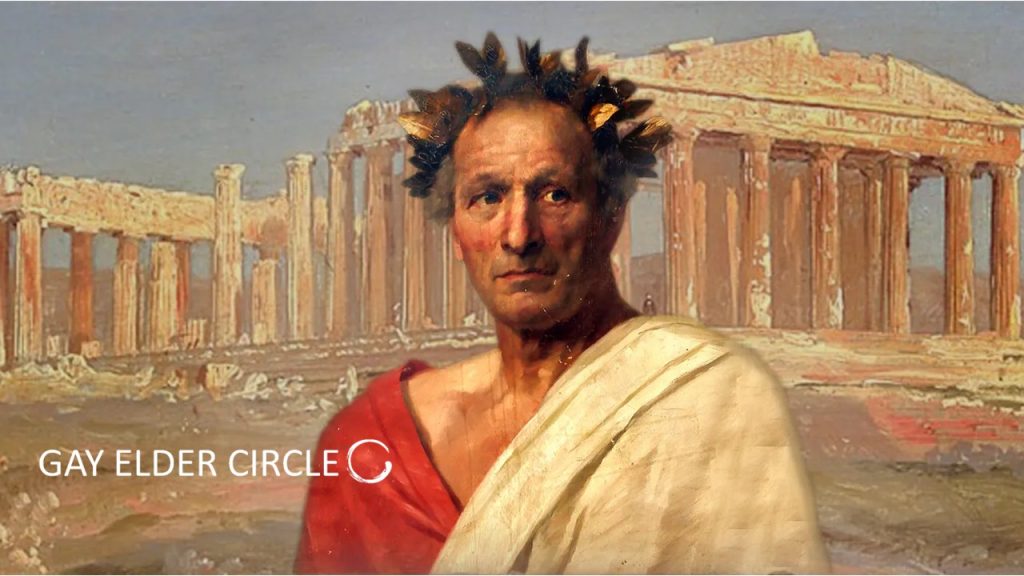
To lead is not to possess; it is to shape. When a leader looks across a company, a community, or a country and sees only an arena for personal advancement, they have already failed. They have become a custodian of ashes. True authority, the kind that outlasts quarterly metrics, social media trends, and transient organizational power, is measured solely by its capacity to bring order out of chaos, to shield the vulnerable from institutional exploitation, and to forge a psychological safety net where people can actually thrive.
If we want to leave an enduring imprint on our contemporary culture, it will not be through the acquisition of status or market share, but through the structural corrections we bring to the lives of everyday people.
A community cannot long endure when its systems are rigged by an insular elite to trap the majority in cycles of economic ruin. In our current landscape of soaring cost-of-living, crushing student debt, and systemic insecurity, traditionalists often demand a rigid adherence to broken metrics. True humanitarianism in modern leadership demands a refusal of this cold indifference. When we advocate for livable wages, fair debt restructuring, and equitable access to housing, we are not destroying the economic order; we are stabilizing it. We recognize that an organization or a society is a living body, and you cannot allow the foundation to rot simply to appease the insatiable appetites of shareholders.
This principle of social goodness must extend beyond immediate crisis management into generative, long-term stewardship. Investing in universal childcare, modernizing public education, and ensuring that healthcare is a right rather than a luxury are not acts of mere charity; they are investments in collective stability. The same is true for expanding inclusion—whether through modern immigration reform or breaking down corporate glass ceilings for marginalized voices. A globalized community shouldn’t treat its peripheral members as resources to be extracted; they must be integrated into the civic heart. When we elevate the outsider, fund the researcher, and dignify the educator, we expand the boundaries of our shared potential.
Yet, structural order is incomplete without a deeply mature philosophy of human relationship. In the theater of modern politics and corporate culture, the basest human instinct is “cancel culture” and vengeance, the urge to publicly exile those who oppose us. But the highest realization of modern leadership is radical magnanimity. To offer a path to rehabilitation for an adversary, to invite dissenting voices back to the strategy table, and to honor the past contributions of rivals is not an act of weakness; it is an act of supreme emotional intelligence. To destroy an opponent is a common, lazy utility. To transform an adversary into a collaborator through deep-seated clemency is the true work of an elder. It signals that the conflict is concluded that the container of our community is wide enough to hold opposing perspectives, and that redemption is always preferable to exile.
Furthermore, leadership must look toward the invisible systems that govern our daily existence. Think of how we manage the modern digital landscape, or how we structure our working hours and labor laws. When we standardize data privacy, protect consumer rights, and design fair, predictable workplace frameworks, we are acting as cosmic stewards of people’s time and mental health. For years, the algorithms of our lives have been manipulated by predatory interests to harvest attention and introduce chaos into our mental well-being. By anchoring our societal systems to human-centric principles, we give the everyday citizen a predictable, uncorrupted rhythm for their life and family. A wise mentor builds frameworks that outlive him, ensuring that those who walk the path tomorrow tread upon stable, rational ground.
There exists, however, a profound peril in this paternal certainty. When a man becomes the sole architect of order, assuming that only he can fix a broken system, he risks a dangerous blind spot. He may forget that lasting social architecture requires not just a master builder, but the collaborative buy-in of the entire collective. To lead with social goodness and to practice radical forgiveness is the dual mantle of the modern elder, but it must be carried with the humility to empower the next generation to share the mantle of leadership beside you, rather than ruling over them.